
Taonga o Playcentre Aotearoa
Overview
Playcentre Aotearoa is proud to honour the taonga gifted to us by Māori leaders and communities. These treasures reflect our values, our history, and our commitment to Te Tiriti o Waitangi. They are a living part of our kaupapa and help guide our journey in Te Ao Māori.
These taonga are more than symbolic, they are woven into our everyday practice. We honour them by embedding te reo Māori and tikanga in our centres, supporting whānau to grow in their understanding of Te Ao Māori, and upholding the principles of Te Tiriti o Waitangi in our governance and learning environments.
Mōteatea - E Tipu E Rea
Composed by Whaea Raina Ferris, this mōteatea was gifted to Playcentre and launched at the 2014 NZPF Conference. It celebrates growth, identity, and connection to whakapapa.
E tipu e rea ka tipu koe hei tangata
Grow up oh little one, so you may become a strong person
Line 1: Beckons to the child to grow up and become a well-balanced person, imagine the parents singing this to their child whilst in the womb and through those early stages of childhood. This first line is taken from the famous proverb Tā Apirana Ngata, who inspired many a parent to find a better future for their children, and many a grandmother and father too, so I imagine myself singing this to my three grandsons who are from both Maori and English blood lines, full of love and genuine concern in the current times of a changing world in turmoil.
Kia kotahi ai te whanau, te hapu, me te iwi e e e
So that you will bring together our families, our wider families, our people
Line 2: If we as parents do our part well and raise our children well, this will bring abundance to our families and our wider families and ripple out into the people (all people). By being involved in the upbringing of your children and grandchildren, you forge stronger family relationships, our three grandsons have brought us closer together to members of the community that we may not have gotten to know so intimately.
Kimihia, rangahaua te matauranga a o tipuna
Seek out, search out the knowledge of our ancestors
Line 3: Acknowledges that the wisdom of our ancestors is vital in raising our children. Knowing your whakakapapa/geneology is what binds it all together and through honouring them, you honour all life. Know this yourself. Teaching our grandchildren their whakapapa is critical to help them know who they are. You teach them by being pat of their upbringing, but you also educate them along the way with the wisdom of the old ones.
Hei oranga tinana, hinengaro, wairua e e e
So it will sustain you physically, mentally, and spiritually
Line 4: This type of knowing will sustain you physically, mentally and spiritually. By having this type of relationship, you will have a well-balanced holistic life.
Me honore i Te Tiriti o Waitangi
Honour the Treaty of Waitangi
Line 5: Honour the Treaty of Waitangi. as New Zealanders, Te Tiriti o Waitangi is the founding document of this country; it blinds Māori with English and all other races.
Kia kotahi ai tātau, hei ara tika māu
So that this will make us one people, and you will find your pathway
Line 6: Honouring Te Tiriti o Waitangi is what will hold this country together as one nation, and you will be able to find your pathway forward in life. It is important for our future generations to know about Te Tiriti o Waitangi, so we can understand one another in this country and not become prejudiced or judgemental. Again knowledge is the key.
Whāia tō mana motuhake e e e
Always pursue your absolute uniqueness and stand proud in it
Line 7: Every child is unique in the eyes of a parent. This line encourages the child to find and to stand in that uniqueness and strength. Self identity is encouraged, know who you are at all times and honour yourself.
E tipu e rea ka tipu koe hei tangata e
Grow up oh little one and become a strong person
Line 8: The final statement really encourages the child to strive for a good, well balanced life, in all areas. It also means that the parent is the one who is responsible for this, the early years of nurturing your child are critical to his or her survival. You get one chance at doing it in those early years, so do it right. Again, my daughter and her three sons are the first in my family to use the Playcentre childcare service. It is nice to see that a Māori perspective is appreciated and acknowledged here.
About the Author
Raina Ferris (née Sciasscia), was born and raised in Pōrangahau within Ngāti Kere, affiliates to Ngāti Kahungunu, Ngāti Raukawa and Ngāi Tahu and Italy A lifelong kaiako and expert in Māori performing arts, she led Ngāti Kahungunu’s senior rōpū Tamatea Arikinui for over 40 years, performing alongside three generations of her whānau.
Whaea Raina taught kaupapa Māori all of her life, including teaching karanga at Te Wānanga o Raukawa for over 15 years. She established the Kurawaka Retreat Centre at her home in Pōrangahau, Hawkes Bay. Whaea Raina runs karanga, wairua and matauranga workshops supported by her husband Doc, (Tākuta) and their daughters Piri, Miriama and Helena. She shares her knowledge with women from all over Aotearoa and the world.
Piri Galbraith, daughter of Whaea Raina, took her tamariki to Pōrangahau Playcentre. Central Hawke’s Bay Playcentre Association was honoured to have Whaea Raina compose and teach the mōteatea at the 2013 Hui-ā-Tau in Pōrangahau. The mōteatea was gifted to the Playcentre whānau and launched at the 2014 Playcentre Conference.
In 2024 Piri received the Te Pou Whirinaki Business Collaboration Award as a director of the Kurawaka Retreat Centre.
Read more about the award here.
Tokotoko – A Symbol of Unity and Respect
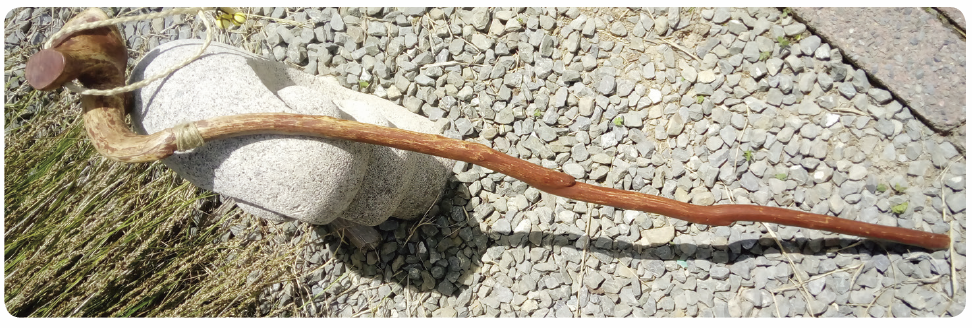
In 2008, Playcentre Aotearoa was gifted a tokotoko by Ngāti Whātua kaumatua Cyril Talbot, a taonga once held by a chief and deeply connected to the history of Playcentre at Orākei Marae. Accepted by the former President Marion Pilkington, the tokotoko was given to support Playcentre’s mahi and strategic journey. Though it was originally meant to be returned, Cyril’s whānau chose to entrust it to Playcentre for as long as the kaupapa continues. Over time, this tokotoko, affectionately known as “the old man”, has become a symbol of leadership, cultural partnership, and enduring connection to Te Ao Māori.
Other Taonga honoured by Playcentre
Children’s Feathered Cloak:
At the Rotorua Playcentre Conference, a kahu huruhuru mō ngā tamariki was gifted as a taonga inspired by the mōteatea E Tipu E Rea. Presented with aroha, it symbolises our role as kaitiaki, strong like the rākau, nurturing and empowering our tamariki to grow. Each feather carries the mauri of our children, and when we placed our hands on the cloak, we shared our love, hope, and commitment to their future. This taonga reminds us that while the corners of a house may be seen, the corners of the heart are felt, deeply and silently.
Pikopiko:
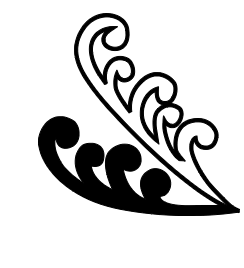
The Pikopiko was gifted by Matiu Rangihuna (Dean of Māori Studies at Christchurch Polytech) in the early 1990’s. He chose the symbol of an emerging fern frond as representing the everlasting component of the education we provide for our tamariki. Playcentre had supported the birth of the Kohanga Reo movement and Matiu was impressed by Playcentre’s bicultural commitment.
He Iti, He Pounamu:
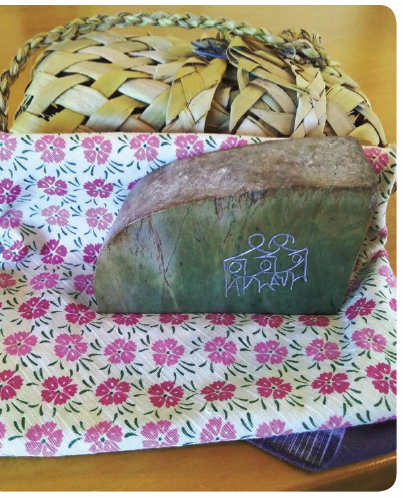
Gifted at the 2013 Playcentre Conference by Tāngata Tiriti House, this pounamu is a taonga that honours the vital role of our Trustees. Though few, they carry the weight of our kaupapa, guiding decisions that serve all 450 centres and members. The pounamu travels to every national meeting, reminding us that our mahi is for the collective. Between hui, it remains close, held, spoken to, and cherished symbolising the heart of our shared purpose.
Te Mauri Kohatu:
At the National Māori Hui in 2013, Piri Gilbraith was entrusted with creating a mahi toi for Te Whare Tikanga Māori. After seeking guidance from her uncle Alan and father Tākuta Ferris, a special kohatu (stone) was chosen, one traditionally used as fishing sinkers and waka anchors. Decorated with a meaningful kowhaiwhai pattern from Rongomaraeroa Marae, the stone symbolizes grounding Te Whare Tikanga Māori in the kaupapa of Playcentre. It holds the mauri, or life force, of the whare, and must be touched, spoken to, and cared for. The kohatu was lovingly passed into the care of Candy Tai and Lisa Kahui until the 2014 Hui at Tauwhare Marae.
Kākahu Kapa Haka:
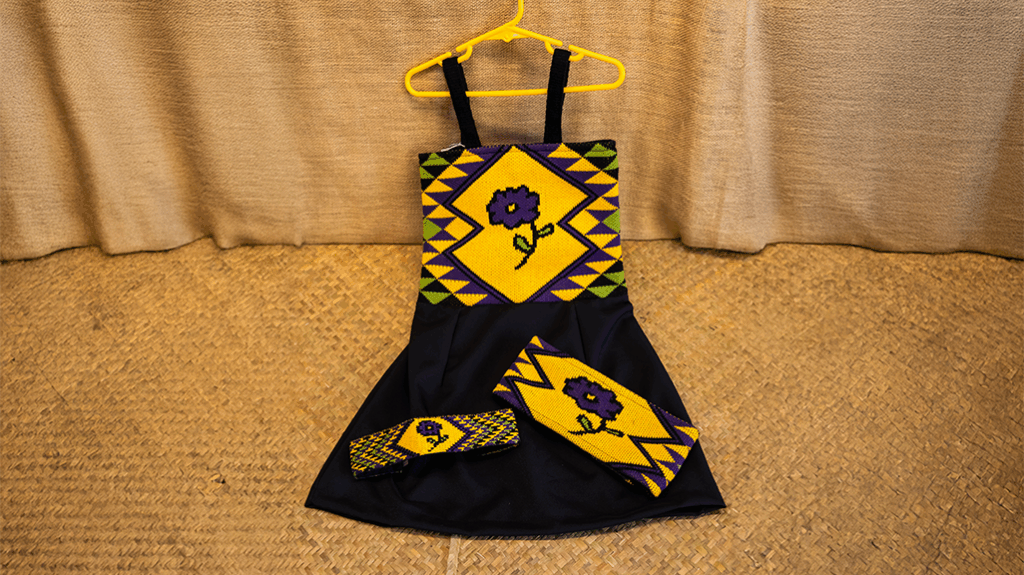
The kākahu kapa haka, born from a seed planted by Moana Warwood at Glen Innes Playcentre, is a taonga woven with aroha and intention. Created in collaboration with Māori artisan Brendon from The Knit Affair Ltd, these garments, tīpare, tātua, and pari, honour Māori traditions and empower tamariki and kaiako through cultural connection. Featuring the Playcentre flower, they symbolise unity and legacy, now shared across Playcentres throughout the motu. Rooted in whakapapa and crafted with care, these kākahu are a lasting gift to nurture identity, belonging, and pride.