Nina Paterson’s Playcentre Story
Supported by her Playcentre Village
When Nina Paterson joined Playcentre, she was searching for more. As a stay-at-home mum, she felt her world had become smaller, her ideas about parenting stagnant. While playgroups offered connection, they weren’t giving her the depth, growth, or stimulation she was longing for – for herself or her children.
Playcentre offered something different.
From the beginning, Nina noticed how welcoming the community was. That mattered deeply, especially as she was parenting a child with an invisible disability (autism) at a time when they didn’t yet have a diagnosis.
“I didn’t know how to explain his mannerisms without sounding ableist or offensive,” she recalls.
At Playcentre, she didn’t have to explain. She was met with acceptance, patience, and understanding – exactly when she needed it most.
Learning to Slow Down and Trust
One of the most powerful shifts Nina experienced at Playcentre was learning the depth and impact of respectful, child‑led parenting.
“I had read so many parenting books while pregnant,” she says, “but I wish I’d discovered the work of Penny Brownlee earlier.”
Playcentre helped Nina slow down, follow her child’s lead, and trust that learning happens naturally through play and strong relationships. It reframed how she saw learning, growth, and her role as a parent.
That learning wasn’t just about her children – it was also deeply personal.
Healing and Breaking Cycles
Being part of Playcentre changed how Nina saw herself, not only as a parent, but as a person.
“The education programme opened up some repressed trauma,” she shares. “But in a positive, breaking cycles kind of way.”
Through Playcentre, Nina gained awareness of how her own upbringing had shaped her beliefs and responses – and she found tools to parent differently, more intentionally, and with greater compassion for herself and her children.
It helped her heal her inner child and trust her instincts as a parent.
Women Showing Up for Each Other
Playcentre was founded by women supporting one another through a particularly challenging time in history. For Nina, that founding value is alive and well today.
At a time when she was advocating for support for her son Wyatt, she found herself facing barriers. Because they were not enrolled in a traditional early learning centre, the Ministry of Education initially refused to engage early intervention services.
That’s when the Playcentre community stepped in.
“It didn’t take long before other members helped me write reports and advocate for support,” she says.
Within her centre were parents with incredible expertise – doctors, child developmental psychologists, behaviour therapists, special education teachers, and speech language therapists. Nina had reached out asking for support and acceptance for her son, and that is exactly what she received.
Later, when the Ministry of Education declined to provide an Education Support Worker (ESW) because Nina was present during sessions, the centre made a remarkable decision: they chose to fund that support themselves.
“That kind of collective care is something truly special,” Nina says. Without it, she knows she wouldn’t have been able to complete her NZ Certificate in Early Childhood Education and Care (Level 4) studies as she did.
Everyday Moments That Matter
Nina doesn’t point to one defining Playcentre memory – because she is still living them.
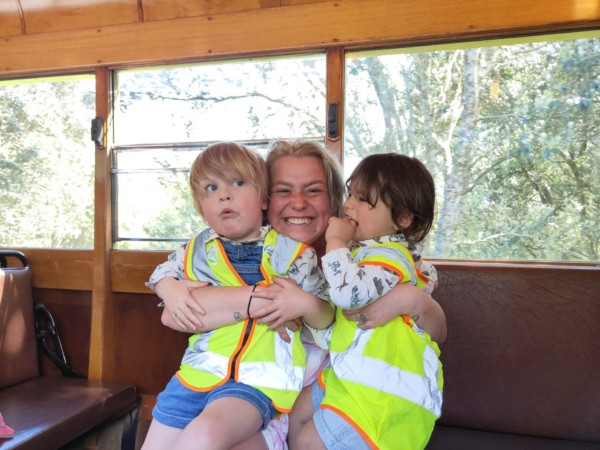
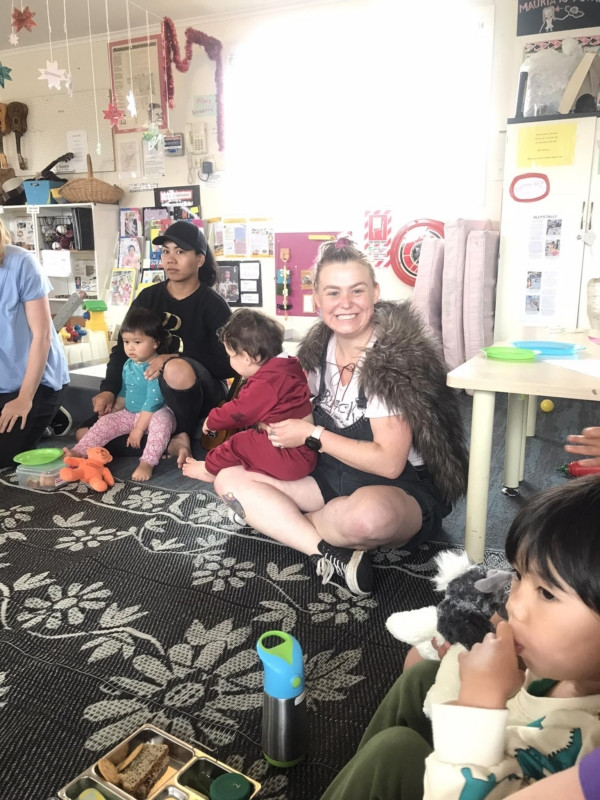
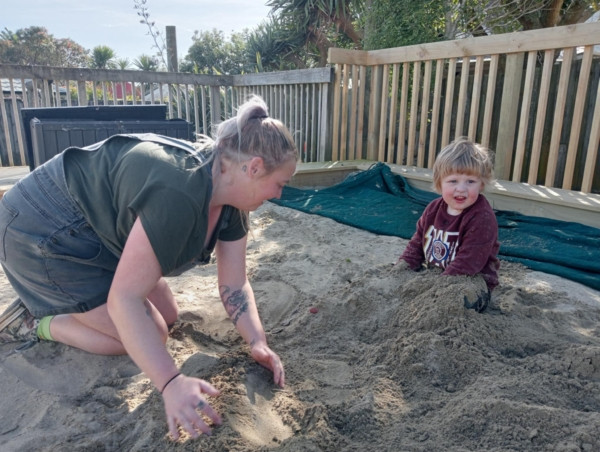
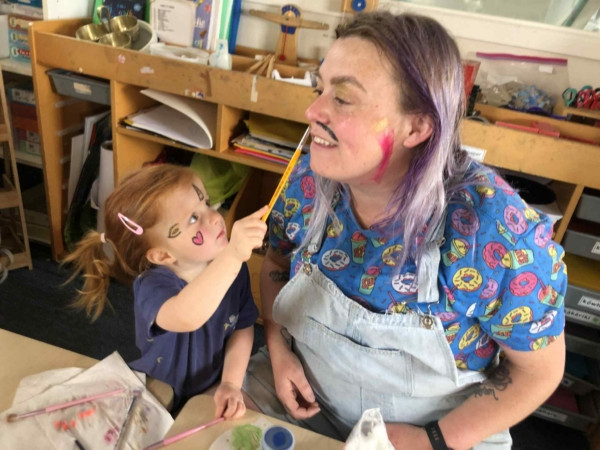
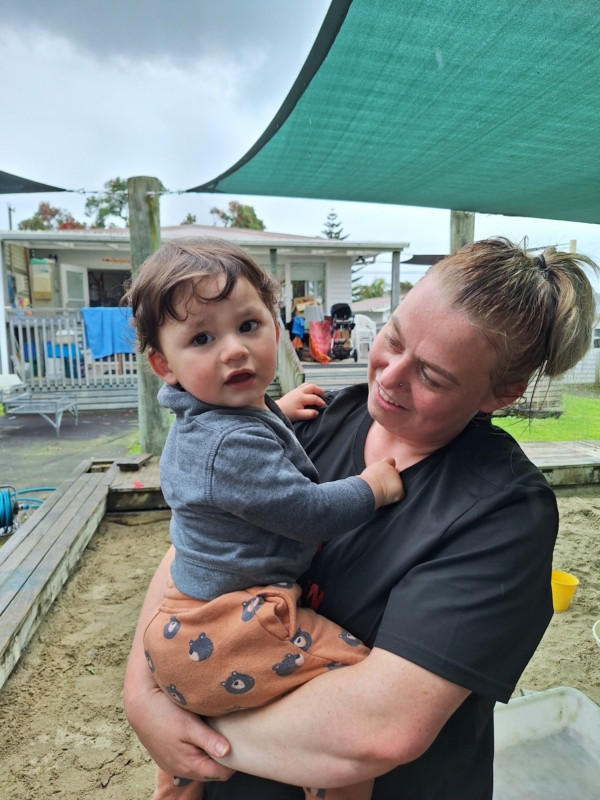
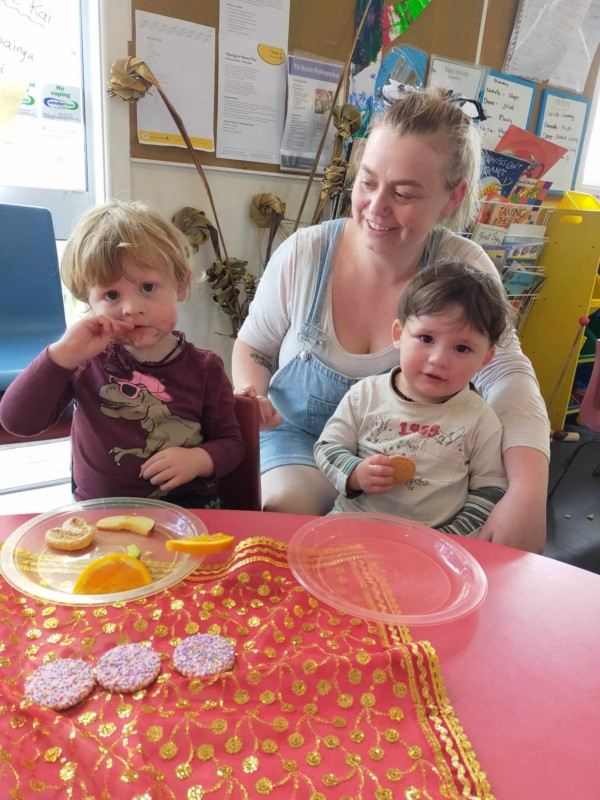
What stands out are the everyday moments: children proudly sharing artworks, older tamariki helping younger ones climb trees, a one‑year‑old being gently supported while Nina’s own children sit happily listening to a story read by someone else’s grandmother.
“It’s the shared, collective care that makes Playcentre so special.”
This sense of belonging doesn’t stop when children move on. Nina’s centre stays connected with alumni families, inviting them back to events and celebrating the growing, extended community they’ve built together.
Support shows up in practical ways too: food deliveries, thoughtful check‑ins, playdates outside of session, and messages of care shared through group chats when someone is struggling.
As a wider community, they also give back – like their yearly walk with the tamariki to the pātaka kai in Shepherds Park for a can drive, teaching children care, connection, and responsibility for others.
Growth, Skills and Strengths
Through Playcentre, Nina discovered strengths she didn’t know she had.
She developed a love for working with clay and found joy in documenting tamariki learning and telling their stories. More than that, Playcentre gave her confidence – not just in what she does, but in who she is.
It helped her trust herself, parent with intention, and grow into a more present, grounded version of herself.
A Village That Helped her Cope
When asked what Playcentre gave her whānau, Nina answers simply:
“Support, strength, and space to grow.”
She believes Aotearoa still needs Playcentre because parents are a child’s first and most important educators – and they need spaces where they are empowered, informed, and supported to grow alongside their children.
“If Playcentre didn’t exist,” she says, “we would have missed out on an entire village.”
During some of the hardest periods of her life – postnatal depression, a Complex Post Traumatic Stress Disorder (CPTSD) diagnosis, and the fight for support for her son’s autism – Playcentre quite literally helped her cope.
“It didn’t just support my children,” Nina reflects. “It helped hold me together.”
Her story is a powerful reminder that Playcentre is not just about early learning. It’s about care, community, and collective strength – and about ensuring no parent ever has to walk their journey alone.