This week, Playcentre will celebrate 85 years since it first started in the Wellington suburb of Karori.
On 24 April 1941 – what would turn out to be the eve of Anzac Day – a group of mothers in Karori, Wellington, did something that would quietly outlast the war, outlast every government since.
They started Playcentre. A simple and radical idea: that parents, together, could be their children’s first and best educators.
What began in Karori has grown into a movement of more than 400 rural and urban centres supporting over 14,000 families across Aotearoa.
Founded during World War Two, Playcentre emerged from a time of profound challenge. Fathers were absent, and mothers were raising children in conditions of hardship – facing financial strain, social isolation, and the weight of doing it mostly alone.
Those founding women recognised something essential: the issue was not just early learning. It was about families, connection, and community.
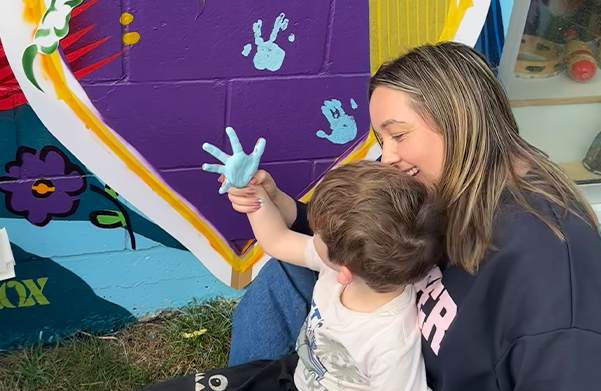
Over the Easter weekend, Playcentre Aotearoa marked where it all began with a new mural by celebrated Aotearoa artist FLOX, painted on the wall of Karori Playcentre.
Reflecting themes of play, growth, and the natural world, the work draws on values that have shaped Playcentre since 1941. It marks the place where the movement was born – a visible reminder that Playcentre is still here.
Still part of the same community, the story is not simply remembered. It is still being lived.
“Eighty‑five years is not just a number – it’s a living legacy. It’s generations of parents who have shown up, given their time, and grown alongside their tamariki. Together, they built a connection, a community, and something strong enough to endure. Karori is where our story began – and it’s a story that is still unfolding,” says Nepia Winiata, Chief Executive of Playcentre Aotearoa.
Playcentre’s story is not only historical. In 2026, one in seven children in Aotearoa lives in material hardship. Forty-four per cent of New Zealanders report feeling lonely. Postnatal depression affects 10–20% of mothers who have recently given birth.
Parents today face the same essential pressures that moved those first Karori women to act – isolation, hardship, and the deep human need for community and connection.
“It’s the shared, collective care that makes Playcentre so special,” explains Playcentre parent Janina Paterson.
During some of the hardest periods of her life – postnatal depression and the fight for support for her son’s autism – Playcentre quite literally helped her cope.
“It didn’t just support my children,” Janina reflects. “It helped hold me together.”
Playcentre is not just about early learning. It’s about care, community, and collective strength – and about ensuring no parent ever has to walk their journey alone.
According to Winiata, “The model those women created in 1941 is more relevant now than it has ever been. As other forms of social support and connection have dropped away over the decades, Playcentre’s role as the village raising our tamariki and supporting their whanau make it more relevant than ever.”
The Karori mural marks the beginning of Playcentre’s 85th anniversary campaign – a year-long programme of stories, events, and community celebrations across Aotearoa.
The campaign traces Playcentre’s story from its wartime founding through the movement’s reach into rural communities, its deep roots in Māori whānau life, the generations of whanau it has shaped, and its vision for the next 85 years.